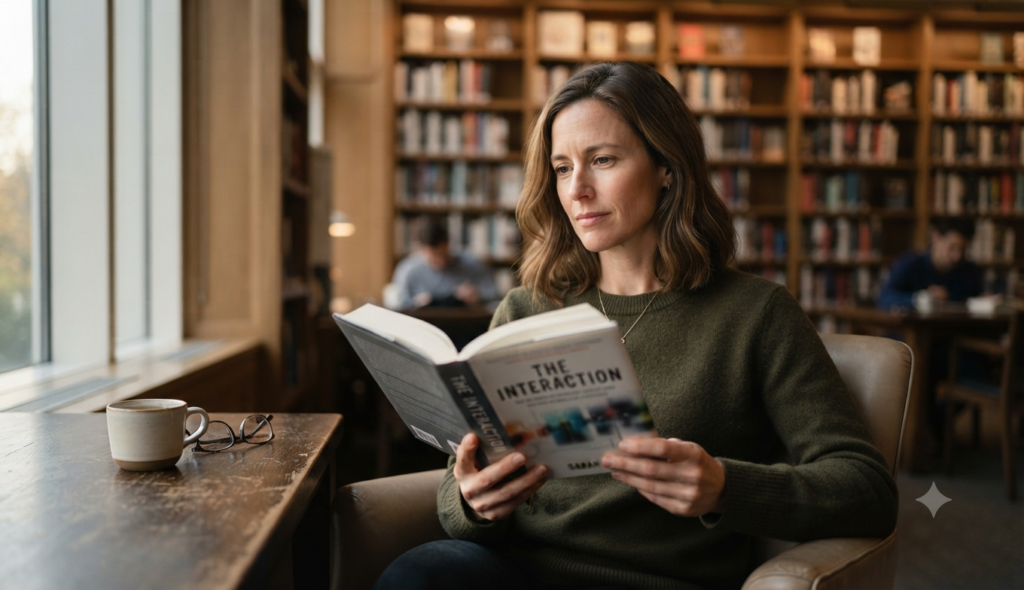

Listening is one of the most underestimated communication skills
Most people believe they are good listeners simply because they allow others to speak. However, genuine listening goes far beyond remaining silent while another person talks. It involves attention, empathy, curiosity, and the willingness to understand perspectives that may differ from our own.
In a world where conversations are often rushed and distractions are constant, learning how to listen has become one of the most valuable interpersonal skills anyone can develop.
This is precisely one of the reasons why The Interaction (La Interacción) stands out as more than just another book about communication. Instead of focusing solely on techniques for speaking more effectively, it encourages readers to understand the dynamics that shape every human interaction and the powerful role that listening plays within them.
Why listening is much harder than hearing
Hearing is automatic. Listening is intentional.
Every day people hear hundreds of conversations, but only a small percentage of those exchanges involve genuine understanding.
Many conversations fail because individuals are mentally preparing their next response instead of paying attention to what the other person is actually saying.
According to the ideas explored throughout The Interaction, meaningful communication begins when people stop trying to win conversations and start trying to understand the people in front of them.
This shift may appear simple, yet it transforms relationships in remarkable ways.
Listening builds trust before solutions
One of the biggest communication mistakes is assuming that every conversation requires immediate advice or problem-solving.
In reality, many people simply want to feel understood.
When someone feels genuinely listened to, trust naturally begins to develop. This trust creates stronger personal relationships, healthier families, more productive workplaces, and more effective leadership.
The Interaction reminds readers that communication is not measured by how much we speak but by how well we understand one another.
This perspective changes the purpose of conversation itself. Instead of proving a point, communication becomes an opportunity to strengthen human connection.

The hidden barriers that prevent us from listening
Most listening problems do not come from a lack of intelligence.
They come from habits.
People interrupt because they assume they already know the answer.
They judge before understanding.
They compare someone else’s experience to their own.
They become distracted by phones, work, or personal concerns.
Over time, these habits create communication patterns where conversations become increasingly superficial.
One of the valuable lessons presented throughout The Interaction is that improving relationships often starts by becoming aware of these automatic behaviors.
Listening changes relationships more than perfect words
Many people spend years searching for better ways to express themselves.
While choosing the right words certainly matters, relationships often improve much faster when people become better listeners.
Feeling heard reduces defensiveness.
It increases empathy.
It creates emotional safety.
It allows people to communicate honestly without fear of immediate judgment.
These benefits extend to romantic relationships, friendships, parenting, customer service, leadership, education, and teamwork.
Rather than focusing only on speaking clearly, The Interaction encourages readers to see listening as one of the foundations of meaningful human connection.
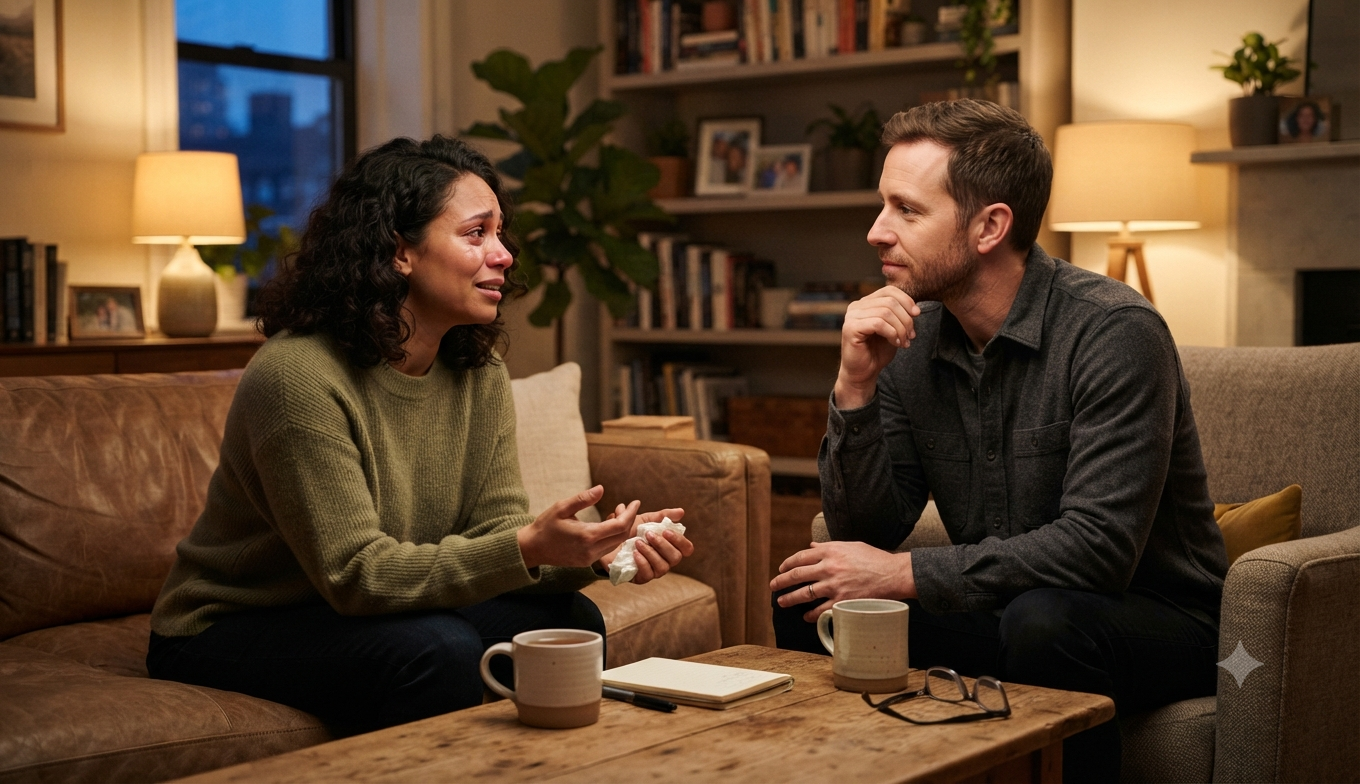
Every conversation teaches us something
One of the central ideas behind The Interaction is that every interaction contains valuable information—not only about the other person, but also about ourselves.
The way we react, interrupt, become defensive, or remain curious reveals patterns that influence every relationship we build.
When people become more aware of these patterns, conversations stop feeling like battles and begin becoming opportunities for growth.
Listening, therefore, becomes much more than a communication skill.
It becomes a way of understanding people more deeply.

Good listeners continue learning throughout life
Listening is not a talent that some people naturally possess while others do not.
It is a skill that develops through intention, reflection, and continuous practice.
Every conversation provides an opportunity to become a better listener.
Small changes—asking better questions, avoiding interruptions, paying closer attention, and showing genuine curiosity—can dramatically improve communication over time.
Books that explore human interaction from a deeper perspective can accelerate this learning process because they help readers recognize patterns they may never have noticed before.
A different way to understand communication
Many books teach people what to say.
The Interaction teaches readers how to understand what happens between people while communication unfolds.
That broader perspective makes listening feel less like a technique and more like an essential part of every meaningful relationship.

If you want to become a better listener, strengthen your relationships, and better understand why conversations influence trust, emotions, and human connection, The Interaction offers a thoughtful perspective that extends far beyond traditional communication advice.